
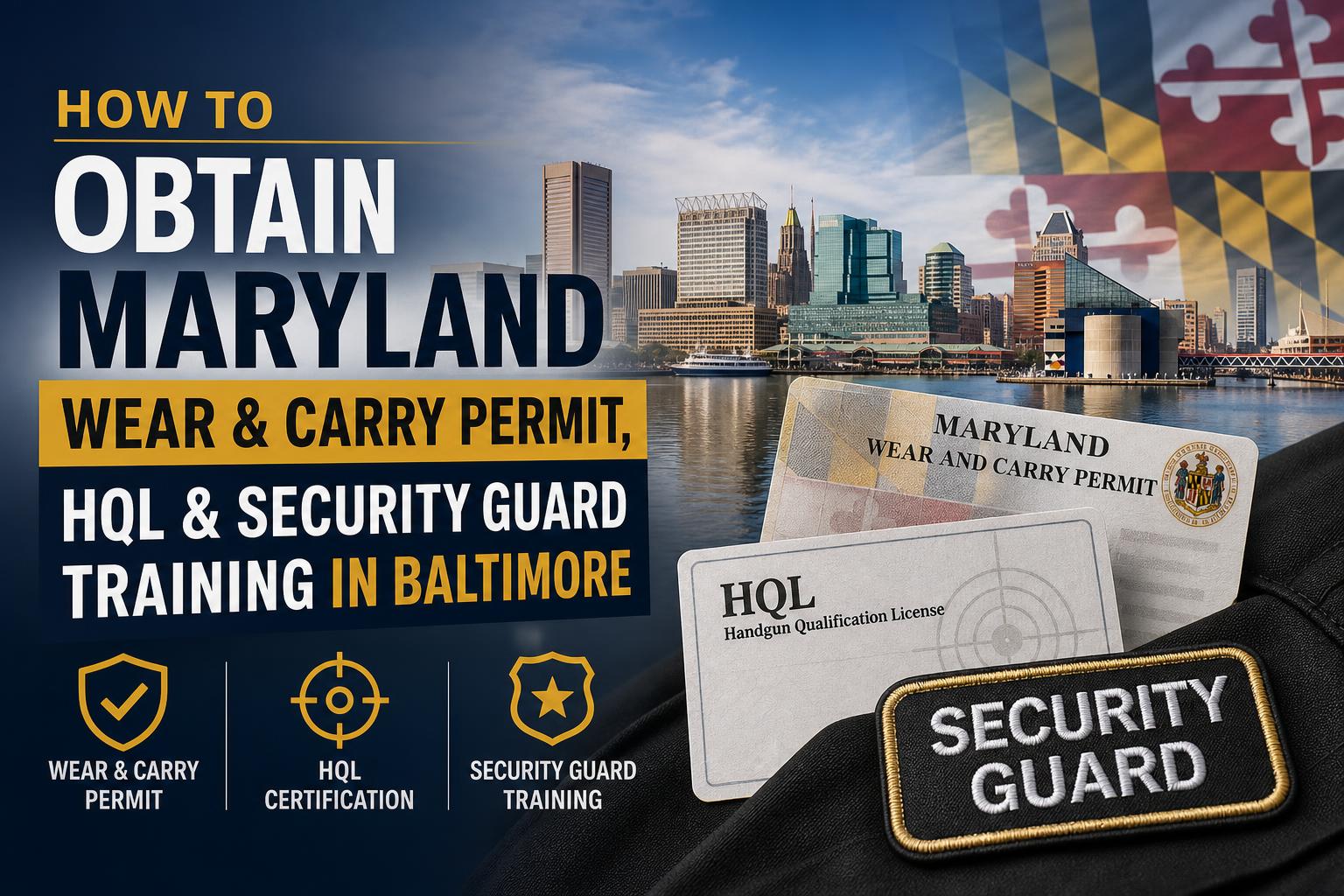
Firearm rules in Maryland can feel confusing at first. The good news is that you do not have to figure it out alone. If you want to buy a handgun, carry a handgun, or work as a security guard in Baltimore, it helps to know which license or training you need.
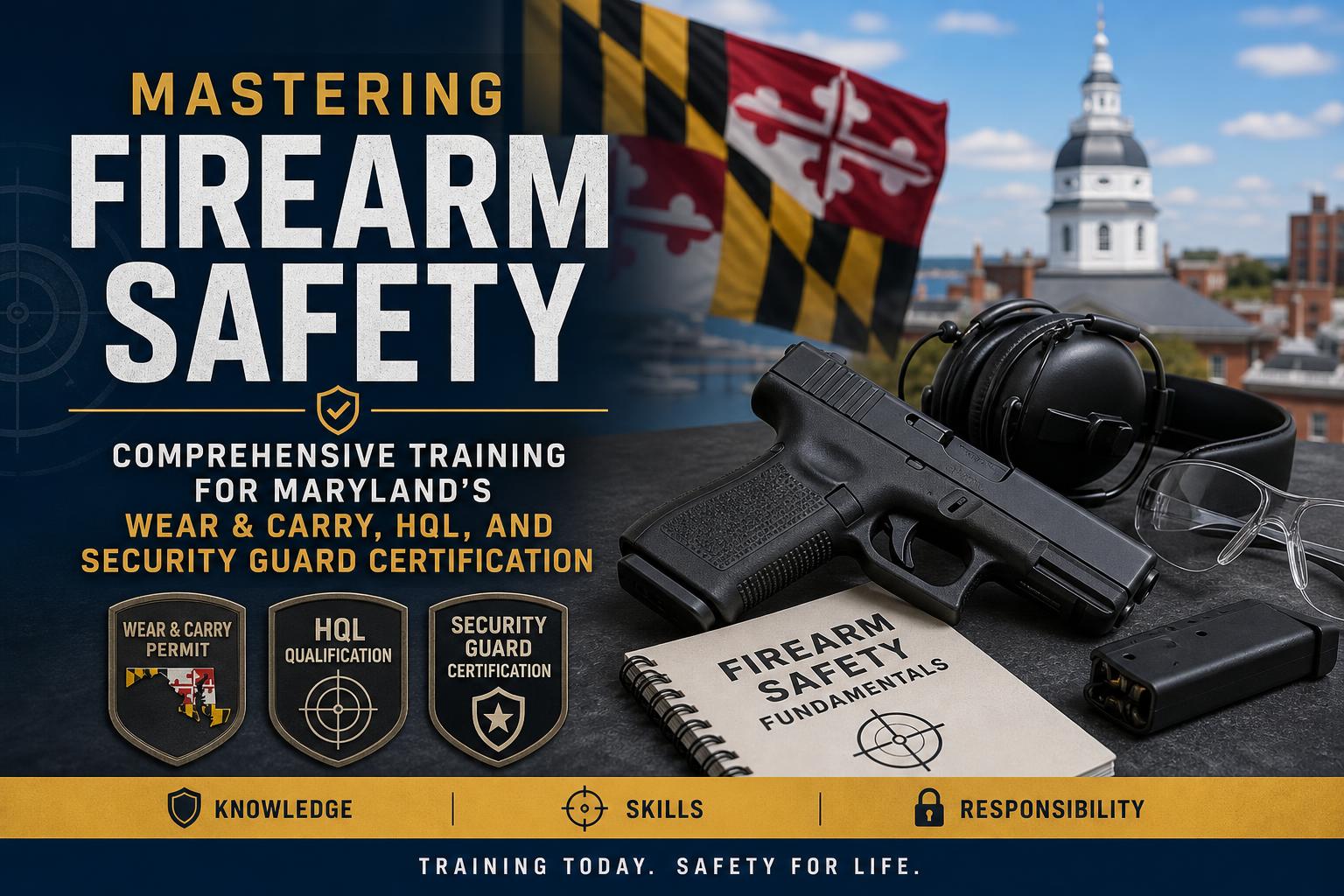
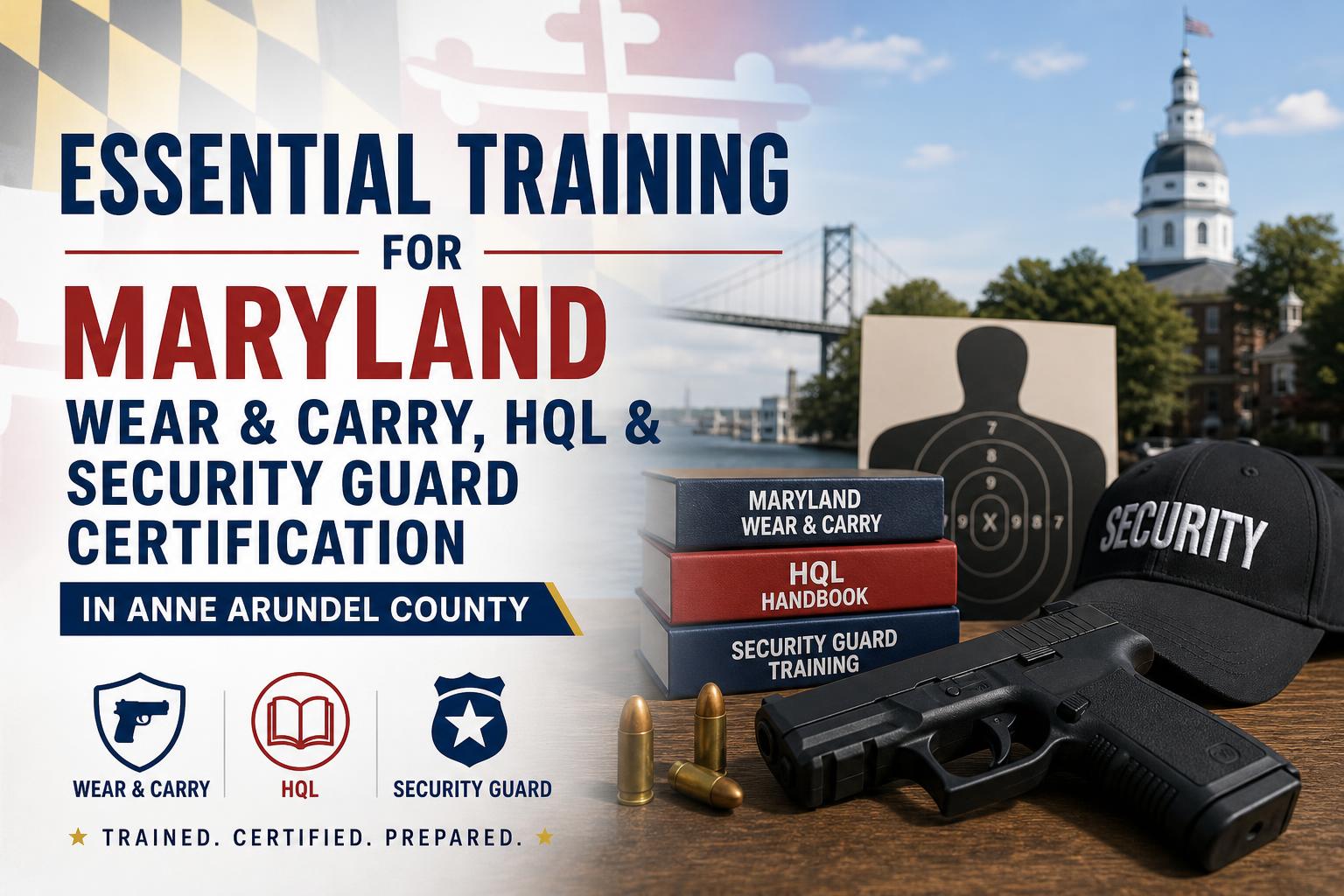
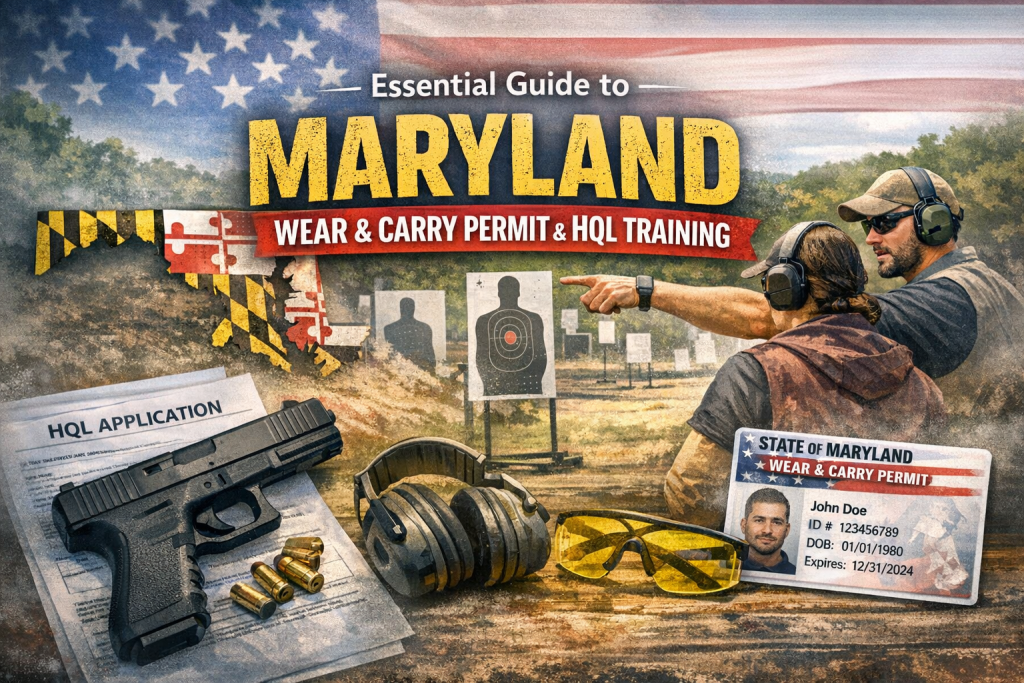
This guide explains the Maryland Handgun Qualification License (HQL), the Maryland Wear & Carry Permit, and security guard training in simple terms.
Disclaimer: Laws and license rules can change. Always check the latest information with the Maryland State Police and any other state agency before you apply.
Understanding HQL, Wear & Carry, and Security Guard Training
Each license or training course has a different purpose. Here is what each one means:
- HQL, or Handgun Qualification License: This is needed to buy or receive a handgun in Maryland. It does not let you carry a handgun in public.
- Maryland Wear & Carry Permit: This permit allows you to carry a handgun in public, as long as you follow Maryland law and permit rules.
- Security Guard Training: This training is for people who want to work as security guards. Training may be different for armed and unarmed guards.
Some training providers in Baltimore offer courses that cover more than one need. This can help save time if you need both firearm and security training.
Who Needs These Licenses or Training?
You may need an HQL, Wear & Carry Permit, or security guard training if you are:
- Buying a handgun in Maryland.
- Planning to carry a handgun for personal protection.
- Applying for an armed security job.
- Starting work as an unarmed security guard.
- Renewing a Maryland Wear & Carry Permit.
- Moving from military or law enforcement work into private security.
- A business owner who wants to understand self-defense laws.
- Working in a job that may need extra safety planning.
- Taking state-approved firearm safety training.
- Learning Maryland firearm laws before buying a handgun.
- Meeting training rules set by an employer.
- Improving safe handling and responsible ownership skills.
Maryland Handgun Qualification License: What It Is and How to Get It
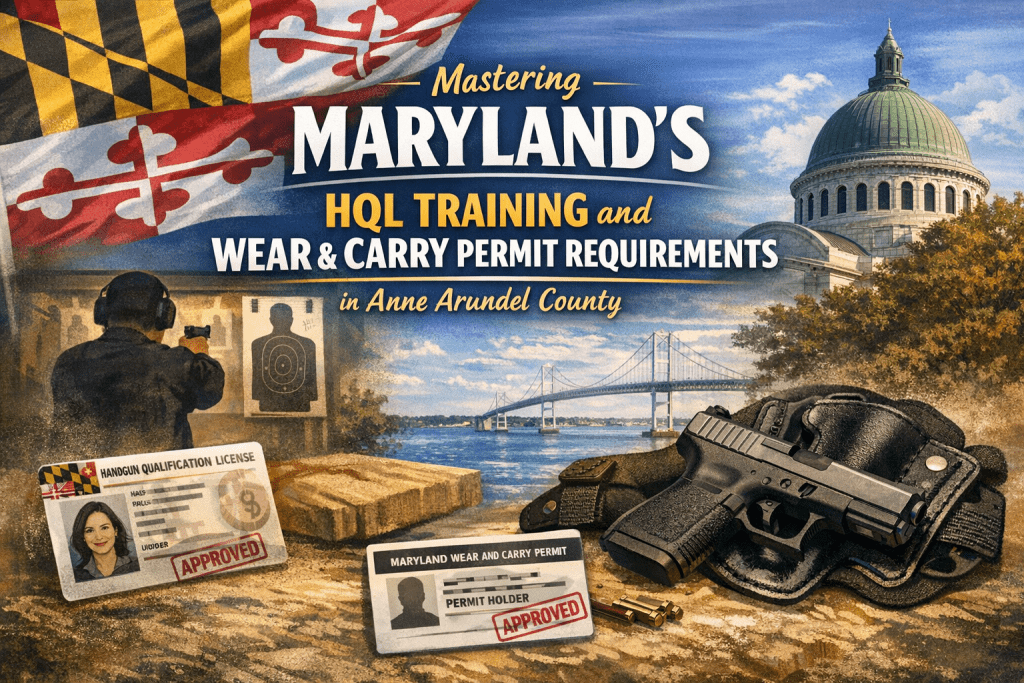
If you want to buy or receive a handgun in Maryland, you usually need an HQL first. This license shows that you meet state rules for handgun ownership.
HQL Application Process Overview
- Make sure you need an HQL.
- Check if you qualify for a training exemption.
- Complete approved training if you are required to do so.
- Get your training documents from your instructor.
- Get fingerprinted by an approved fingerprint provider.
- Create or log in to your Maryland State Police Licensing Portal account.
- Fill out the HQL application online.
- Upload your personal and training information.
- Pay the required fees.
- Check your application status online.
- Respond quickly if more information is requested.
- Wait for approval before you buy or receive a handgun.
Maryland Wear & Carry Permit: Requirements and Application Steps
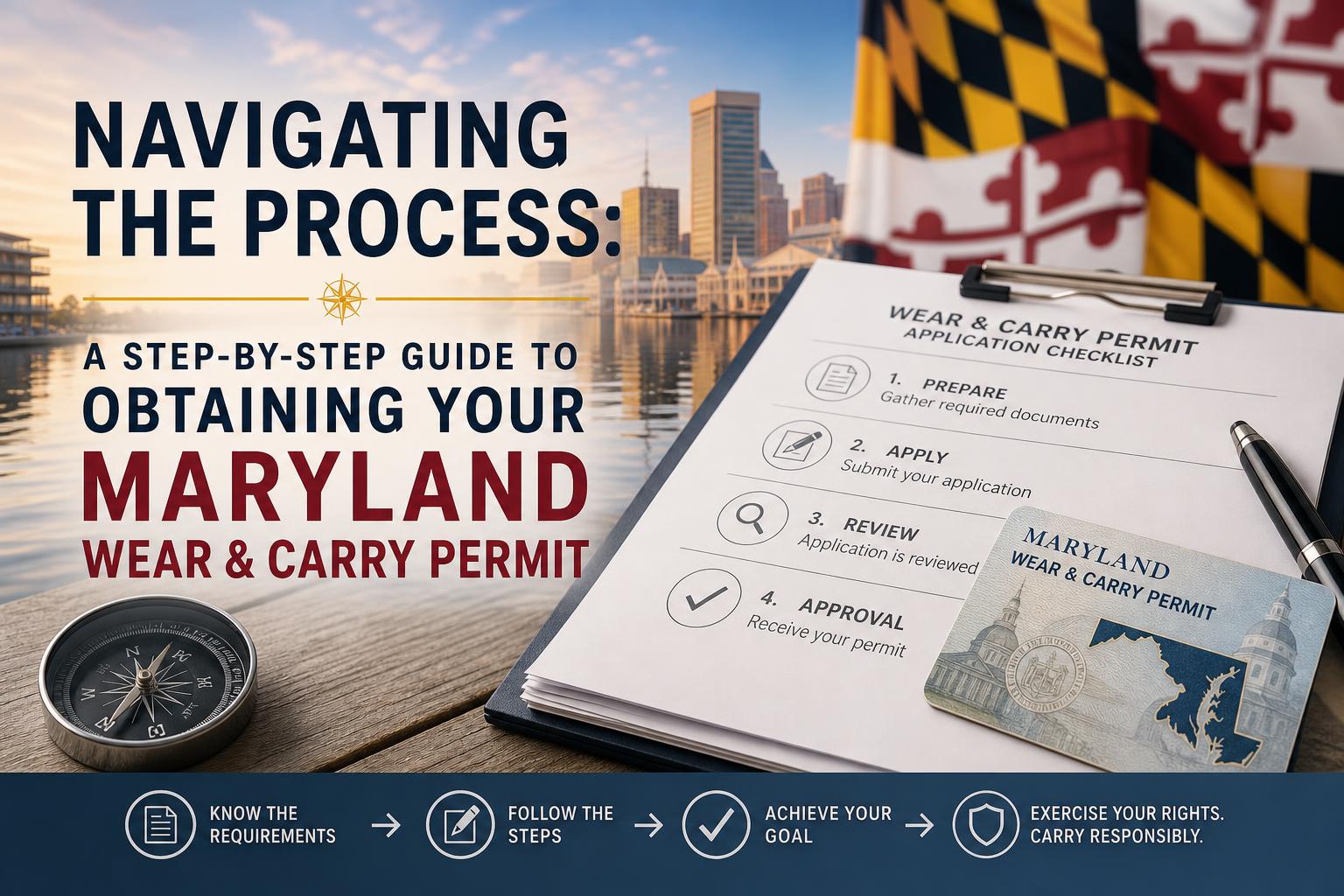
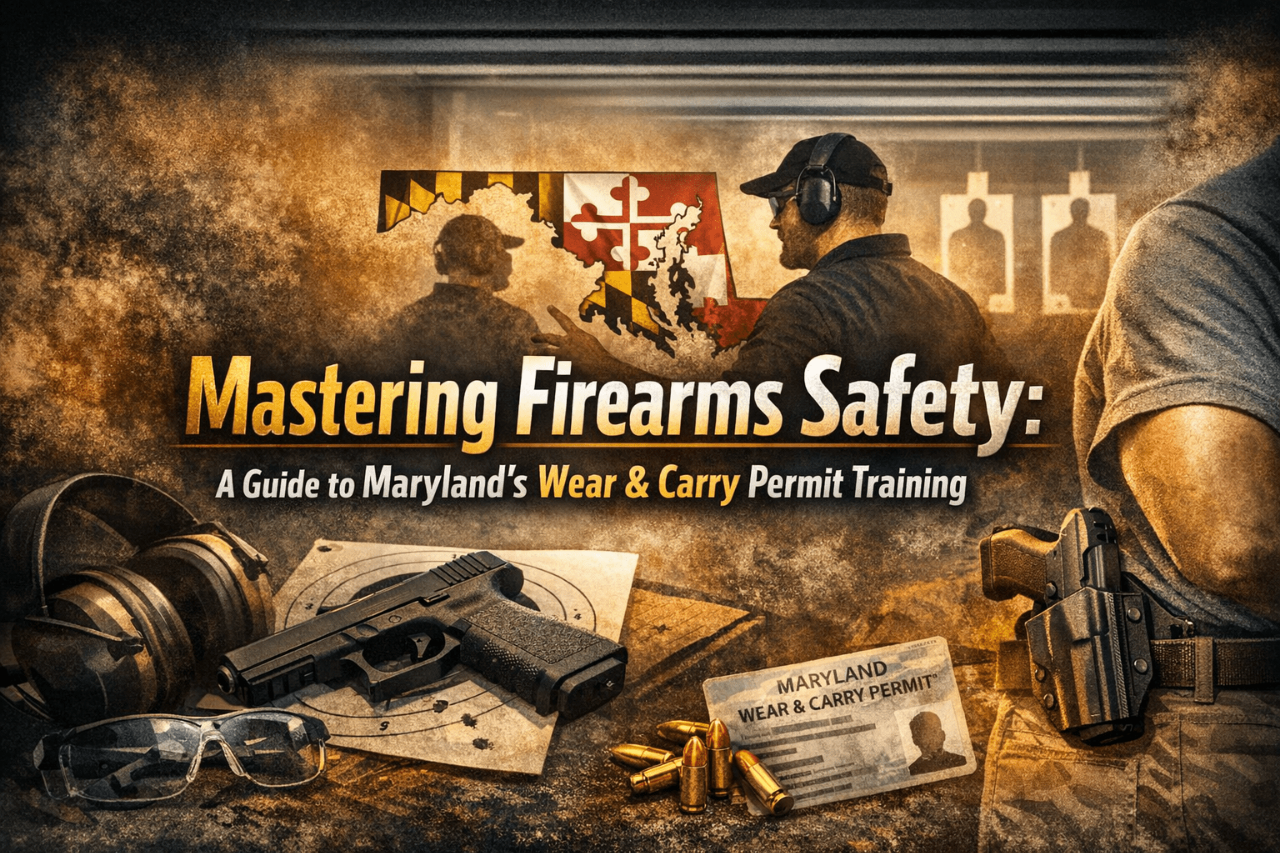
A Maryland Wear & Carry Permit is needed if you want to legally carry a handgun in public. You must complete the required training, submit an application, and be approved by the state before you carry.
Key Topics Covered in Wear & Carry Training
- Maryland firearm laws and rules.
- Civil and criminal liability.
- Safe handgun handling.
- Safe handgun storage.
- Situational awareness.
- Use-of-force rules.
- Places where firearms are not allowed.
- Range safety rules.
- Live-fire qualification.
- Permit renewal rules.
Training helps you learn when, where, and how you may carry. It also helps you understand the serious duty that comes with carrying a firearm.
Security Guard Training in Baltimore: What to Know
Security guard training in Baltimore can help you start or grow a career in private security. The training you need may depend on whether you want to work as an armed or unarmed guard.
Unarmed security training may cover topics like professional conduct, report writing, observation skills, and how to calm tense situations.
Armed security training usually includes extra firearm safety training, range work, and legal lessons. You may also need background checks, employer registration, and other state steps before you can work.
A good training program should help you understand your role, your limits, and your duties on the job.
Choosing a Training Provider in Baltimore
Picking the right training provider is important. Before you sign up, look for a provider that offers:
- Maryland State Police Qualified Handgun Instructor status.
- Experience with HQL and Wear & Carry courses.
- Clear help with applications and documents.
- Live-fire range access or range coordination.
- Simple instructions and a safe learning space.
- Training that matches your personal or job goals.
What to Bring to Class
Ask your instructor what you need before class. In most cases, you may need to bring:
- A valid photo ID.
- Payment or proof of payment.
- Comfortable clothes.
- Closed-toe shoes.
- Eye and ear protection, if required.
- Any documents your instructor asks for.
If live-fire training is part of your class, your instructor will explain what to bring and what not to bring.
Common Mistakes to Avoid
Small mistakes can slow down your application. Try to avoid these problems:
- Signing up for the wrong course.
- Missing your fingerprint appointment.
- Forgetting to upload needed documents.
- Thinking training alone gives you a permit.
- Carrying a firearm before you are approved.
- Not checking current Maryland laws.
- Waiting until the last minute to renew your permit.
How Long Does the Process Take?
The time it takes can vary. You may need time for class, fingerprinting, online forms, review, and approval. It is best to start early so you do not feel rushed.
Always wait for official approval before buying, receiving, or carrying a handgun.
Costs to Expect
Costs can vary based on the course and your needs. You may need to pay for:
- Training tuition.
- Fingerprinting.
- State application fees.
- Range fees.
- Ammo or equipment, if required.
- Renewal fees later on.
Ask your training provider for a full cost breakdown before you register.
Why Local Baltimore Training Matters
Local training can make the process easier. Baltimore instructors often understand Maryland rules, local range needs, and common application questions.
A local provider can also help you choose the right course for your goal, whether you want an HQL, a Wear & Carry Permit, or security guard training.
Final Tips Before You Apply
Before you apply, take time to prepare. These steps can help:
- Check your instructor’s credentials.
- Gather your documents early.
- Choose the course that fits your goal.
- Follow all safety rules during training.
- Keep copies of your training records.
- Review Maryland firearm laws often.
- Ask questions if you are not sure what to do next.
Conclusion
Getting an HQL, a Maryland Wear & Carry Permit, or security guard training does not have to be stressful. With the right class and clear guidance, you can take the next step with confidence.
STA Security Training Classes is here to help you learn the rules, build safe habits, and complete the training you need.
Ready to get started? Contact STA Security Training Classes today or call (443) 702-7891 to sign up for your training.

Leave a Reply