
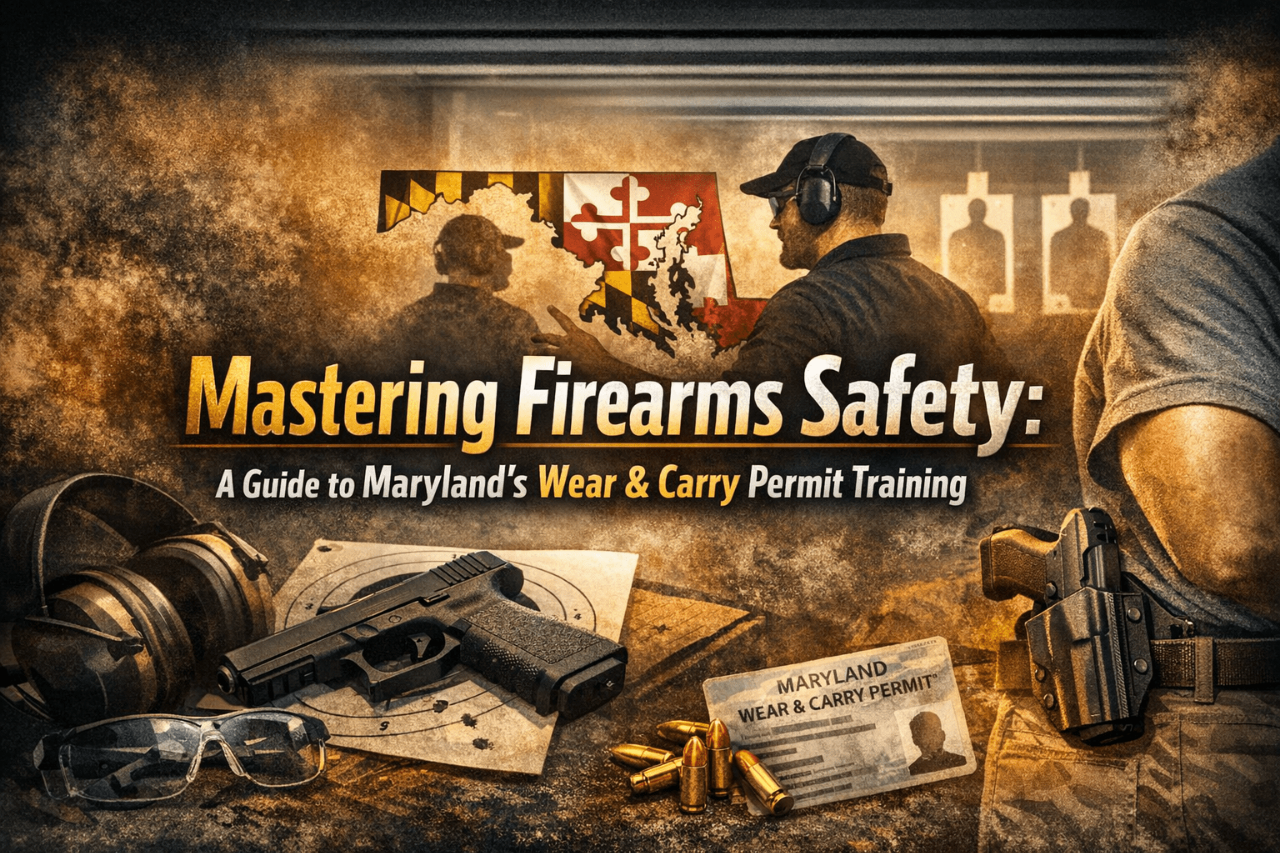
Introduction
If you’ve decided to start learning about firearms safety and getting your Wear & Carry Permit in Maryland, congratulations! You are taking an important step toward being a responsible gun owner and keeping yourself safe. Firearms safety is not just about following rules—it’s about having a mindset that puts safety and responsibility first. This blog post will give you insight into Maryland’s Wear & Carry Permit training, including the legal requirements, the importance of firearms safety, picking the right training program, and much more. So get ready, because we’re about to make you as safe as peanut butter without the jelly!
Understanding the Legal Requirements
Now, let’s talk about the rules. Maryland’s gun laws are stricter than your Aunt Edna’s wedding diet. Getting a Wear & Carry Permit takes more than just wishing for it. First, you need to meet the eligibility requirements. This usually means being at least 21 years old, having a clean criminal record, no proof of mental instability, and showing a good reason to carry a handgun as per Maryland law.
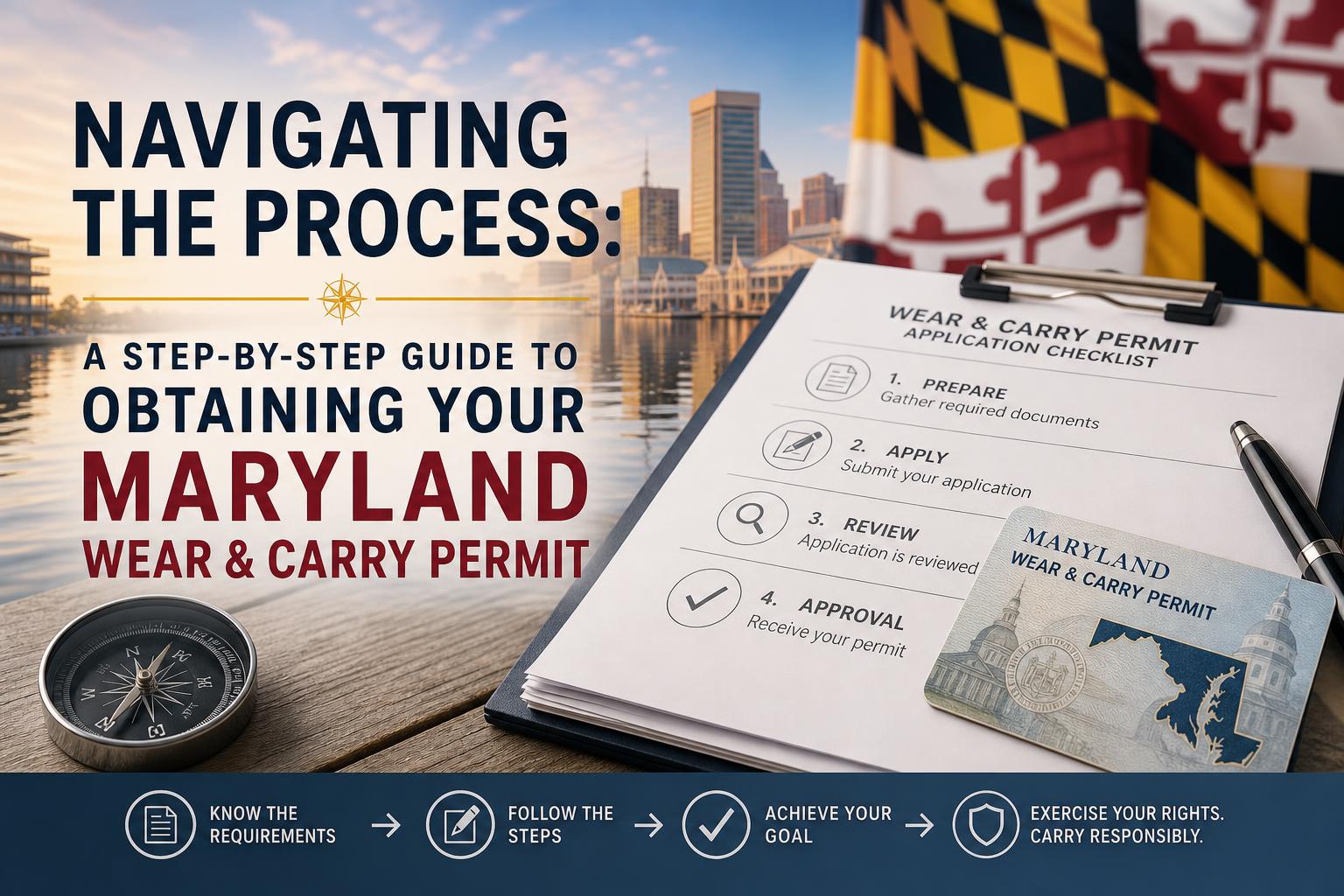
The paperwork you need includes a filled-out application with the Maryland State Police Firearms Safety division, proof of age and identity, and any other documents for your reason to carry. Of course, a thorough background check is necessary. It’s the legal system’s way of saying, “We trust you, but just making sure you’re not a comic book villain.”
The Importance of Firearms Safety
Practicing firearms safety is essential not only for your safety but for that of those around you. Remember the four main rules of firearms safety: treat every gun as if it’s loaded, never point a gun at anything you don’t want to destroy, keep your finger off the trigger until you’re ready to shoot, and be sure of your target and what’s beyond it.
Being a responsible gun owner has a big impact, reducing the chance of firearm-related accidents. Statistics show that safety training helps reduce accidental gun discharges. You wouldn’t buy a car without learning how to drive, right? The same idea applies here. Be the responsible, well-informed person who can protect themselves and respect others.
Choosing the Right Training Program
Finding the right training program is important, like picking the right sidekick or the perfect avocado. In Maryland, there are many accredited training providers. Think about factors like the experience and reputation of the instructors, the content of the course, and location convenience. Some programs offer advanced training that goes beyond the basics, focusing on tactical skills and scenario-based learning.
Make sure to check reviews and testimonials from previous participants. You want to hear past trainees saying great things, not horror stories. Trust in establishments like STA Security Training Classes—a trusted name in security and firearms training.
Components of Wear & Carry Permit Training
Classroom Instruction
Training usually starts in the classroom, covering Maryland firearm laws and regulations, safe handling, and storage of firearms. You will learn about personal protection and threat assessment, turning you into a safety expert.
Practical Shooting Skills
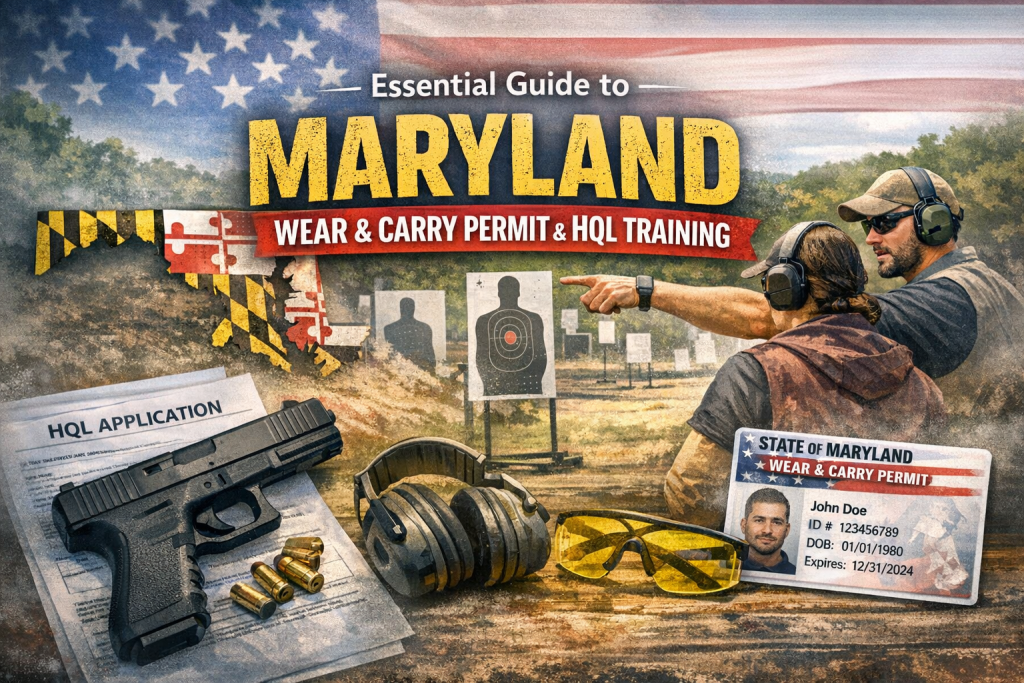
Next comes the practical shooting part, which is more exciting than it sounds (unlike your cousin Dave’s magic shows). This includes lessons on shooting basics, using a holster, and drawing a gun. You’ll also practice with scenario-based exercises to prepare for real-world situations.
Handgun Qualification License (HQL) Requirements
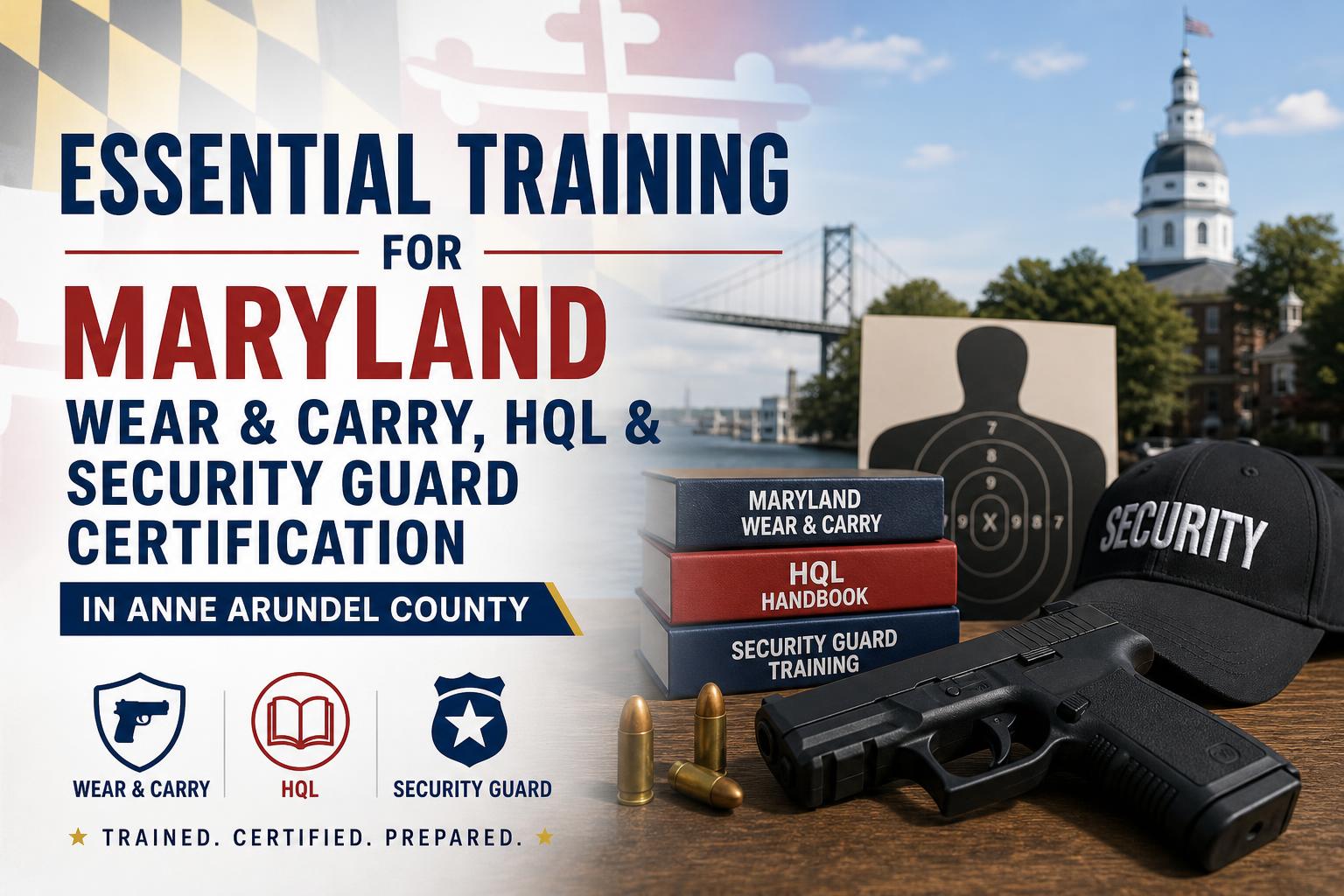
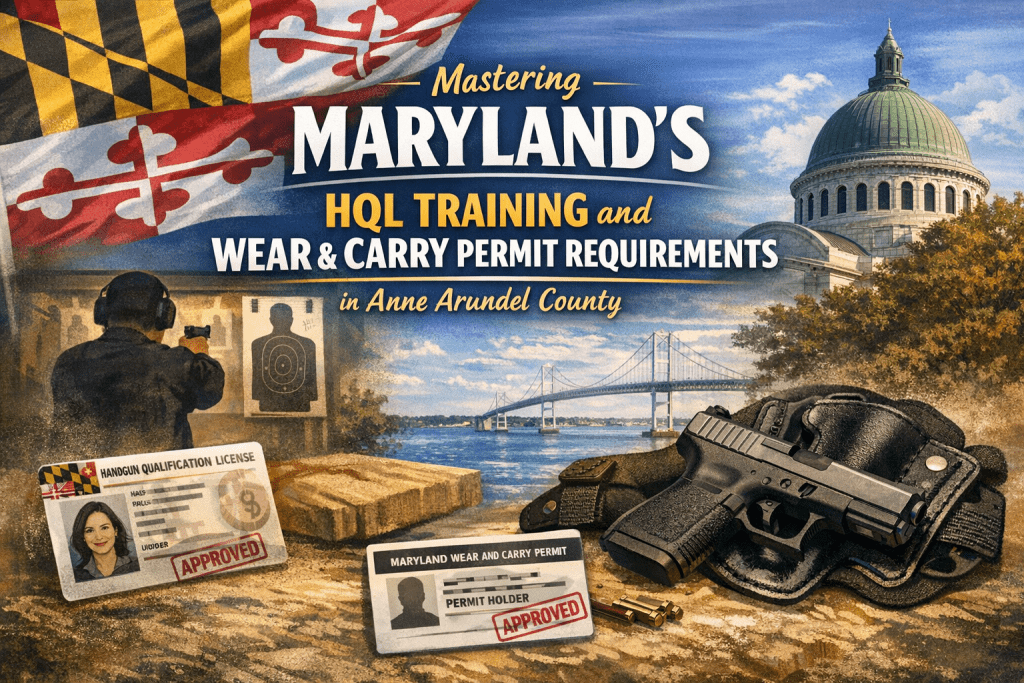
For beginners, an overview of Handgun Qualification License (HQL) requirements is important. This includes hands-on training, a written exam, and shooting tests to make sure you’re not just a smooth talker but also a good shot.
Fees and Cost Breakdown
Getting the Wear & Carry Permit isn’t just a test of skills, but also of how many piggy banks you own. Application fees, the cost of training programs, and extra charges like fingerprinting and equipment fees should be considered. Thankfully, some training providers offer financial help or discounts, making it a bit easier on the wallet.
Preparing for the Training
What do you need? Besides wanting to learn, participants often need specific materials and equipment, making it feel like a school supply shopping spree. Physical and mental preparation are important: get plenty of rest, stay hydrated, and don’t forget your deep breathing exercises.
Renewing or Modifying Your Permit
The Wear & Carry Permit doesn’t last forever—just like your latest gaming craze. Usually valid for two to three years, renewing your permit needs an updated application and sometimes more training. If you need to update your information, be ready to show documents to the authorities. But don’t worry, many have done this before and got their updated papers.
Maintaining Proficiency Beyond Training
Your training is just the beginning; regular practice at shooting ranges, continuing education, and community involvement are key to staying proficient. Remember, laws change, and staying informed is important. Join Maryland firearm user forums or local clubs to stay connected and updated.
Conclusion
In conclusion, mastering firearms safety is about commitment, responsibility, and ongoing learning. The skills and knowledge from the Wear & Carry Permit training make a big difference. As a responsible gun owner, your dedication to safety is commendable—you could even become the gun safety role model in your community.
Additional Resources
To help you on your journey, here are some resources you might find useful:
- Maryland State Police Firearms Safety
- Recommended reading from firearms safety publications
- Online courses for ongoing education
- STA Security Training Classes: Visit our website or call us at (443) 702-7891.


Leave a Reply