
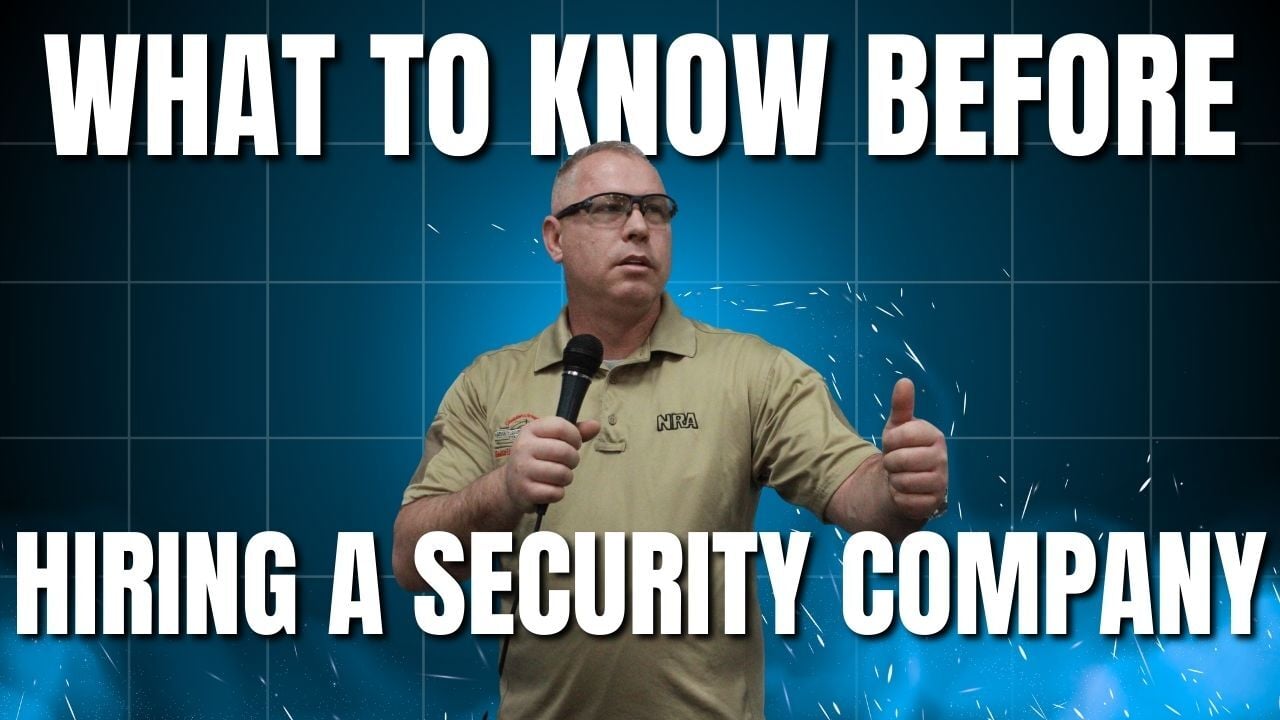
In today’s world, security is no longer optional — it’s essential.
Whether you’re protecting a commercial building, residential property, construction site, retail store, or special event, hiring the right security company is a critical business decision. The right security team can deter crime, reduce liability, protect your reputation, and provide peace of mind. The wrong choice can expose your business to unnecessary risk.
Not all security providers operate at the same level of professionalism, training, or compliance. Before signing a contract, here’s what every business owner needs to know.
1. Clearly Define Your Security Needs
Before contacting a security company, take time to evaluate what you actually need.
Start by asking:
What are you protecting — people, property, inventory, equipment, data?
What are your biggest risks — theft, vandalism, trespassing, workplace violence?
Do you need armed or unarmed guards?
Is this short-term (an event or temporary project) or long-term coverage?
Do you need mobile patrol, standing guards, or remote monitoring?
For example:
A construction site may need overnight patrol and theft deterrence.
A retail store may need visible deterrence and customer-facing professionalism.
A corporate office may require access control and visitor management.
A large event may need crowd control and emergency response coordination.
When you clearly define your needs, you make it easier to match with a company that has the right expertise and resources.
2. Verify Licenses, Insurance, and Compliance
A reputable security company should be properly licensed, insured, and compliant with state and local laws.
Before hiring, ask for:
State-issued security company license
Individual guard licenses (if required in your state)
Proof of liability insurance
Workers’ compensation coverage
Armed guard certifications (if applicable)
Background screening policies
Never assume compliance — verify it. A legitimate company will have no hesitation providing documentation.
Hiring an uninsured or improperly licensed provider can create serious legal and financial exposure for your business if something goes wrong.
3. Look for Industry-Specific Experience
Experience matters — especially in security.
You want a company that understands the unique challenges of your industry. A firm experienced in retail environments may not be ideal for high-risk construction sites or executive protection.
Ask:
How many years have you been in business?
What industries do you primarily serve?
Can you provide examples of similar clients?
Have you handled incidents similar to my risk profile?
A seasoned security company is more likely to anticipate issues before they escalate and respond effectively when problems arise.
4. Evaluate Training Standards and Professionalism
Security is more than just standing guard. Proper training is what separates professional security personnel from warm bodies in uniforms.
Ask about training in:
Conflict de-escalation
Emergency response procedures
Legal use of force
First aid and CPR certification
Customer service and communication
Situational awareness and threat assessment
If you are hiring armed security, ask:
How often are firearms qualifications renewed?
What standards are used for training?
What is the company’s use-of-force policy?
Professional appearance, communication skills, and demeanor matter just as much as tactical training — especially in customer-facing environments.
5. Ask About Technology and Reporting Systems
Modern security goes beyond “boots on the ground.”
The best security companies leverage technology to improve transparency, accountability, and response times.
Look for:
CCTV and remote monitoring capabilities
GPS tracking for mobile patrol units
Guard tour verification systems
Real-time incident reporting apps
Daily activity reports
Monthly performance summaries
These tools provide documentation and visibility into what is actually happening on your property. They also reduce liability and improve communication between your business and the security team.
Transparency and accountability should never be optional.
6. Read Reviews and Request Client References
Online reviews can reveal patterns — both positive and negative.
Check:
Google reviews
Yelp
Better Business Bureau (BBB)
Industry-specific directories
Look for consistent feedback about:
Responsiveness
Reliability
Professionalism of guards
Communication quality
Recurring complaints
Even better, ask the company for client references. Speaking directly to current or past clients gives you unfiltered insight into how the company performs over time.
7. Review the Contract and Pricing Carefully
Before signing anything, ensure the service agreement clearly outlines:
Scope of work
Guard responsibilities
Hours and coverage schedule
Reporting requirements
Cancellation and renewal terms
Total cost and billing structure
Overtime rates
Holiday pricing (if applicable)
Avoid companies that:
Are vague about pricing
Refuse to provide written agreements
Push long-term contracts without flexibility
Cannot clearly explain their billing structure
Transparency in pricing reflects professionalism in operations.
The 7-Day Waiting Period
Before signing anything, ensure the service agreement clearly outlines:
Scope of work
Guard responsibilities
Hours and coverage schedule
Reporting requirements
Cancellation and renewal terms
Total cost and billing structure
Overtime rates
Holiday pricing (if applicable)
Avoid companies that:
Are vague about pricing
Refuse to provide written agreements
Push long-term contracts without flexibility
Cannot clearly explain their billing structure
Transparency in pricing reflects professionalism in operations.
8. Understand the Company’s Communication and Supervision Structure
One often-overlooked factor is management oversight.
Ask:
Is there a field supervisor?
How often are guards checked?
Who is your point of contact?
How are emergencies escalated?
What is the response time for issues?
A security company should have clear supervisory structure and rapid communication channels. You don’t want to discover weaknesses during a crisis.
9. Consider Cultural Fit and Brand Representation
Security guards often represent your business to customers, tenants, or guests.
Ask yourself:
Do they present themselves professionally?
Are uniforms clean and standardized?
Do they communicate clearly and respectfully?
Do they understand customer service expectations?
In many cases, your security team becomes the first point of contact for visitors. Their behavior directly impacts your brand perception.
Conclusion: Peace of Mind Is Worth the Investment
Hiring a professional security company is not just an expense — it’s an investment in safety, stability, and reputation.
The right provider will:
Reduce crime and liability
Improve operational confidence
Enhance your professional image
Provide clear documentation and accountability
Deliver fast and effective emergency response
Do your research. Ask detailed questions. Verify credentials. Review contracts carefully.
When it comes to protecting your people, assets, and reputation, don’t settle for anything less than qualified, professional protection.





Leave a Reply