
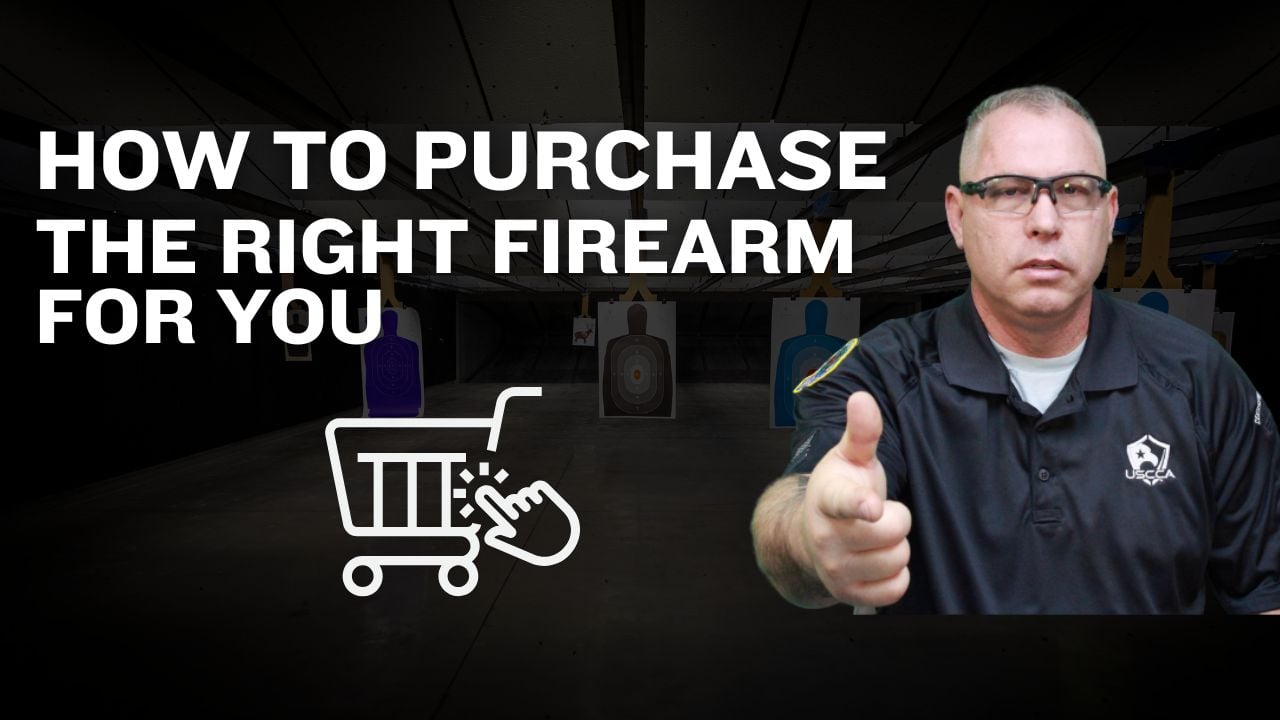
Buying a firearm is a personal decision-and there is no such thing as a one‑size‑fits‑all solution. What works perfectly for one person may be completely wrong for another. The key is understanding your purpose, your comfort level, and your ability to safely control the firearm.
In this guide, we’ll break down the most important factors to consider when purchasing the right firearm for you, whether your goal is recreational shooting, home defense, or everyday carry.
Step 1: Define the Purpose of the Firearm
Before you ever step into a gun store or range, ask yourself one simple question:
What am I buying this firearm for?
Your intended use will heavily influence the type, size, and caliber of firearm you should consider.
Common purposes include:
Recreational shooting (plinking): Casual target practice, shooting cans or paper targets, often prioritizing low recoil and affordability.
Home defense: A firearm intended to protect your household, often larger and more powerful.
Everyday carry (EDC): A concealed firearm carried for personal self‑defense outside the home.
Being honest about your primary purpose prevents overbuying, underbuying, or choosing a firearm that doesn’t realistically fit your lifestyle.
Step 2: Understand Caliber and Recoil
Caliber plays a major role in recoil, control, and effectiveness. A larger caliber generally produces more recoil, while smaller calibers are easier to manage-but may be less effective for self‑defense.
Here’s a practical breakdown:
.22 caliber: Very low recoil and easy to shoot, but not suitable for personal self‑defense.
.380 ACP: Light recoil and compact size. Can be used for self‑defense, but requires good accuracy and shot placement.
9mm: Widely considered the minimum effective caliber for personal defense. Balanced recoil, effectiveness, and ammunition availability.
.45 ACP: Heavier recoil and larger firearm size, commonly used for home defense by experienced shooters.
The best caliber is the one you can control confidently and consistently.
Step 3: Choose a Firearm You Can Physically Handle
Hand size, grip strength, and overall comfort matter more than brand loyalty.
When evaluating a firearm, ask yourself:
Does the grip fit my hand naturally?
Can my finger comfortably reach the trigger?
Does the firearm feel balanced?
Can I control the recoil during repeated shots?
Larger firearms often provide better control but add weight-something that becomes very noticeable when carrying all day.
Step 4: Ignore Brand Hype-Focus on Fit
Many buyers fall into the trap of choosing a firearm based on popularity rather than performance.
Statements like “I’m a Glock person” or “Everyone says this brand is the best” are common-but not helpful.
A firearm should be judged by:
How it fits your hand
How well you can control it
How comfortable you feel shooting it
The best brand is the one that works for you-not the one everyone else talks about.
Step 5: Rent and Test Firearms at a Range
One of the best ways to make an informed decision is to rent firearms at a shooting range.
Most ranges offer rental programs that allow you to:
Try multiple firearms
Compare recoil and comfort
Experience real‑world shooting performance
Start by holding the firearm. If it feels good in your hand, take it into the range and fire a few rounds. Repeat this process with several models until you find one you can control easily and shoot accurately.
There is no shortcut here-hands‑on testing is essential.
Step 6: Consider Weight and Carry Comfort
If you plan to carry your firearm, weight becomes a major factor.
Ask yourself:
Will I carry this inside the waistband?
Outside the waistband?
Under a jacket or coat?
Heavier firearms may shoot well at the range but become uncomfortable during long days of concealed carry. Balance comfort with control.
In states like Maryland, where concealed carry is required, concealability and comfort are especially important.
Step 7: Expect to Experiment with Holsters
Finding the right holster is often harder than finding the right firearm.
Many experienced carriers joke that you’ll buy dozens of holsters before finding “the one.” Comfort, accessibility, and concealment all vary based on body type, clothing, and carry position.
Don’t be discouraged-holster experimentation is normal and part of responsible carry.
Final Thoughts: Choose Confidence Over Caliber
The right firearm is not the biggest, most powerful, or most popular-it’s the one you can:
Safely control
Comfortably carry
Accurately shoot under stress
Take your time, test your options, and make a choice based on real experience-not hype.
When done correctly, purchasing the right firearm empowers you to carry responsibly, confidently, and safely.






Leave a Reply