
Concealed carry is a topic that often raises questions and concerns, making clear and reliable information essential. Whether you are considering a concealed carry permit for personal protection or simply want a better understanding of the laws, this guide covers the fundamentals of concealed carry. From legal requirements and training to safety practices and responsible ownership, here is what you need to know.
What Is Concealed Carry?
Concealed carry refers to carrying a firearm in a way that is not visible to others. Unlike open carry, where the firearm is openly displayed, concealed carry allows individuals to carry discreetly, typically under clothing or inside a purse, bag, or holster designed for concealment.
Legal Requirements for Concealed Carry
Concealed carry laws vary by state and locality, but most jurisdictions require the following:
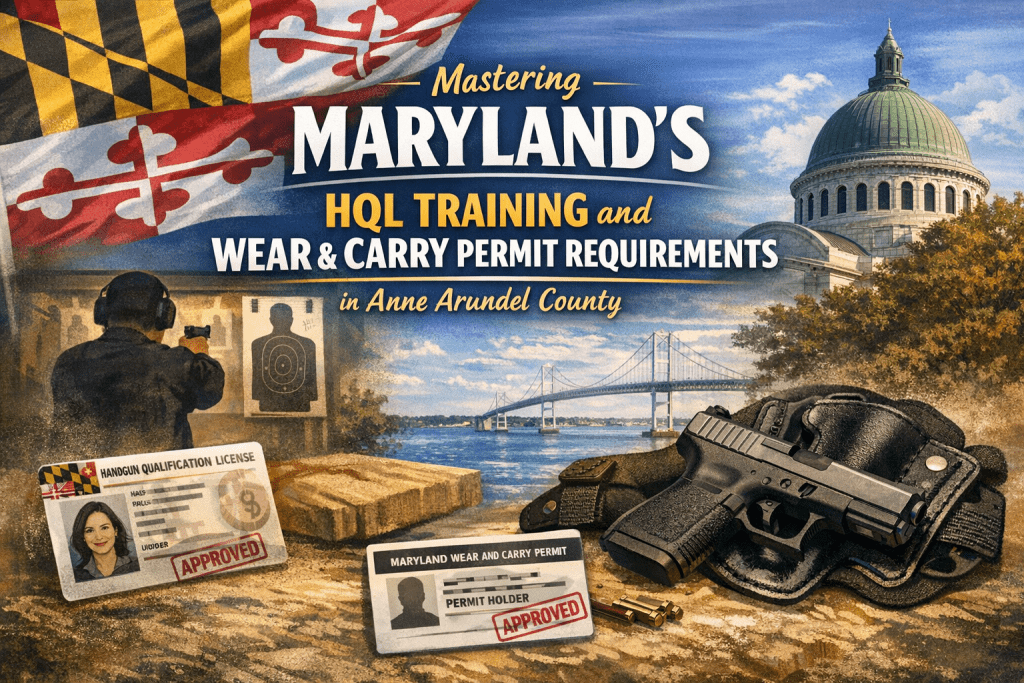
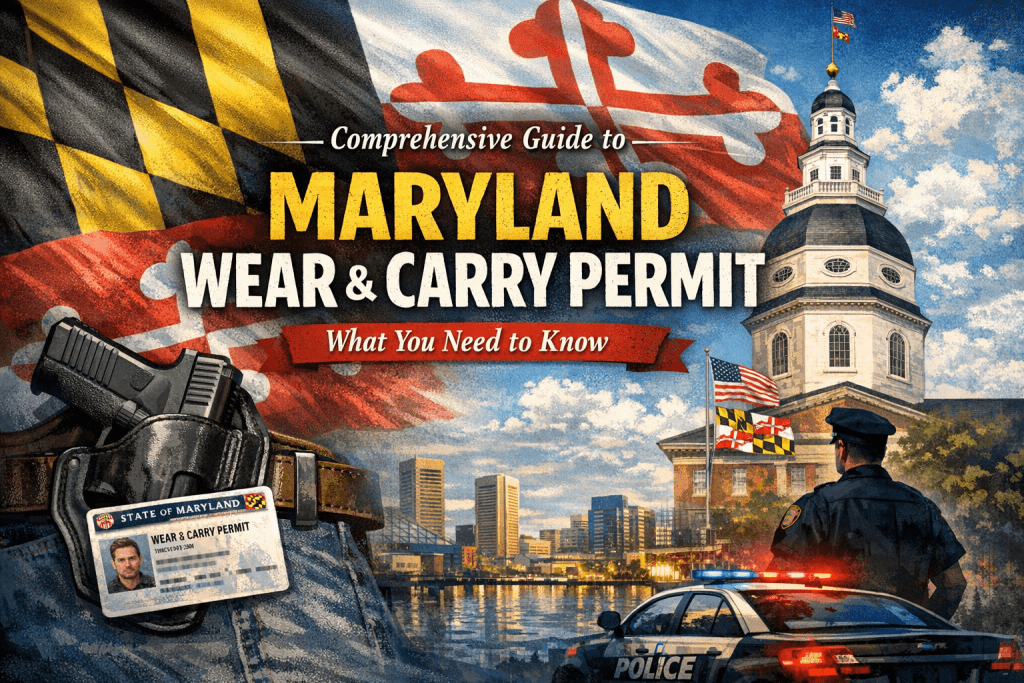
A valid concealed carry permit or license
Completion of an approved firearms safety training course
Background checks and eligibility screening
Compliance with restrictions on where firearms may be carried
It is important to review your state’s laws carefully and understand any reciprocity agreements if you plan to travel to other states.
How to Get a Concealed Carry Permit
Step 1: Research Your State’s Laws
Review your state’s application process, training requirements, fees, and processing timelines.
Step 2: Complete Required Training
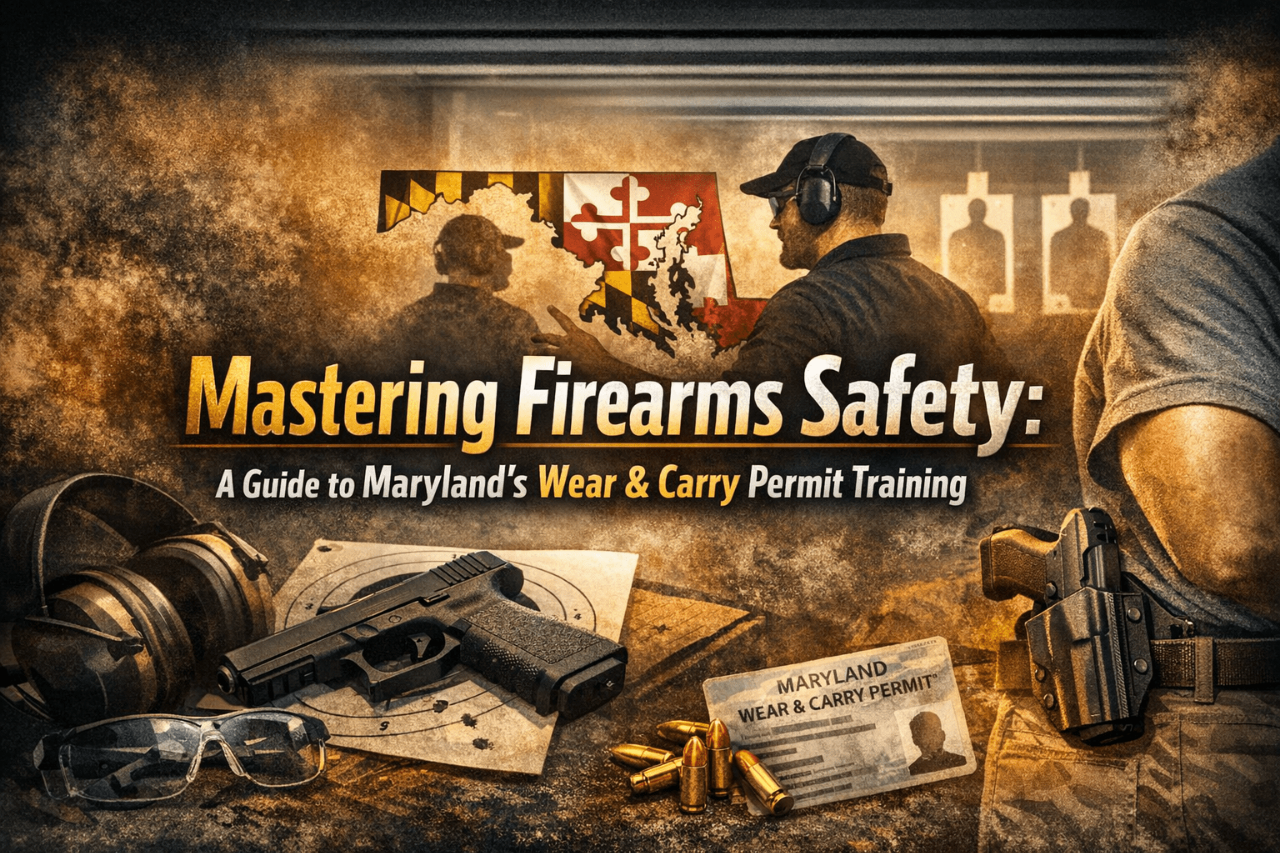
Most states require a firearms safety and concealed carry course that covers safe handling, legal responsibilities, and conflict avoidance.
Step 3: Submit Your Application
Applicants typically must submit fingerprints, undergo a background check, and provide required documentation to a local law enforcement or licensing authority.
Step 4: Receive Your Permit
Once approved, you should carry your permit with you whenever you carry a concealed firearm.
Best Practices for Responsible Concealed Carry
Responsible concealed carry involves ongoing awareness and discipline, including:
Practicing regularly at the shooting range to maintain proficiency
Following firearm safety rules, including treating every firearm as loaded and keeping your finger off the trigger until ready to shoot
Understanding legal restrictions on where firearms may be carried, such as schools, government buildings, and certain private properties
Securing firearms properly when not in use to prevent unauthorized access
Staying informed about changes to concealed carry laws
Why People Choose Concealed Carry
Many individuals choose concealed carry for personal protection and peace of mind. It allows people to remain prepared for potentially dangerous situations while maintaining discretion and respecting public comfort by keeping firearms out of sight.





Leave a Reply